






What is API Integration? Understanding the Essentials
Discover the transformative power of API integration in Vivantio’s guide. Uncover how seamless data exchange and automation revolutionize business…

Jump to section
Introduction
Welcome to Vivantio’s guide on API integration, where we will uncover the essentials of this powerful technology and how it can transform the way you automate your business processes, streamline your enterprise workflows, and enhance productivity.
The seamless exchange of data and functionality between software applications and systems is paramount for efficient operations. This is where API integration and API management plays a pivotal role. Short for application programming interface integration, API integration acts as a bridge, allowing different systems to communicate and interact seamlessly. Let’s explore the benefits and possibilities via API integration in more detail:
API Integration Overview:
- API integration, or application programming interface integration, enables seamless communication between different software applications.
- It serves as a bridge, allowing systems to exchange data and functionality effortlessly.
Unlocking Possibilities with API Integration:
- Leverage API integration to automate time-consuming tasks and share data effortlessly.
- Improve overall efficiency by connecting disparate systems and streamlining operations.
Examples of API Integration in Action:
- Sync customer data between your CRM and marketing automation platforms effortlessly.
- Seamlessly integrate your online store with your inventory management system for enhanced operations.
Benefits of Embracing API Integration:
- Optimize workflows and reduce manual errors by embracing API integration.
- Harness the full potential of your software applications for increased productivity and growth.
By embracing API integration, you can better streamline your business operations, enhancing efficiency and staying competitive in today’s digital landscape.
API Integration: Simplifying Application Communication
The ability for different software applications to communicate seamlessly is crucial for businesses to thrive. This is where API integration comes into play, providing a bridge between various applications, enabling them to share data and work harmoniously together.
In the realm of IT Service Management (ITSM), API integration plays a vital role in enhancing operational efficiency and service delivery. ITSM platforms often leverage APIs to connect with other software applications such as monitoring tools, ticketing systems, and asset management platforms.
Through API integration, ITSM systems can seamlessly exchange data and automate processes, facilitating incident management, efficient organizational change management, and improved service quality.
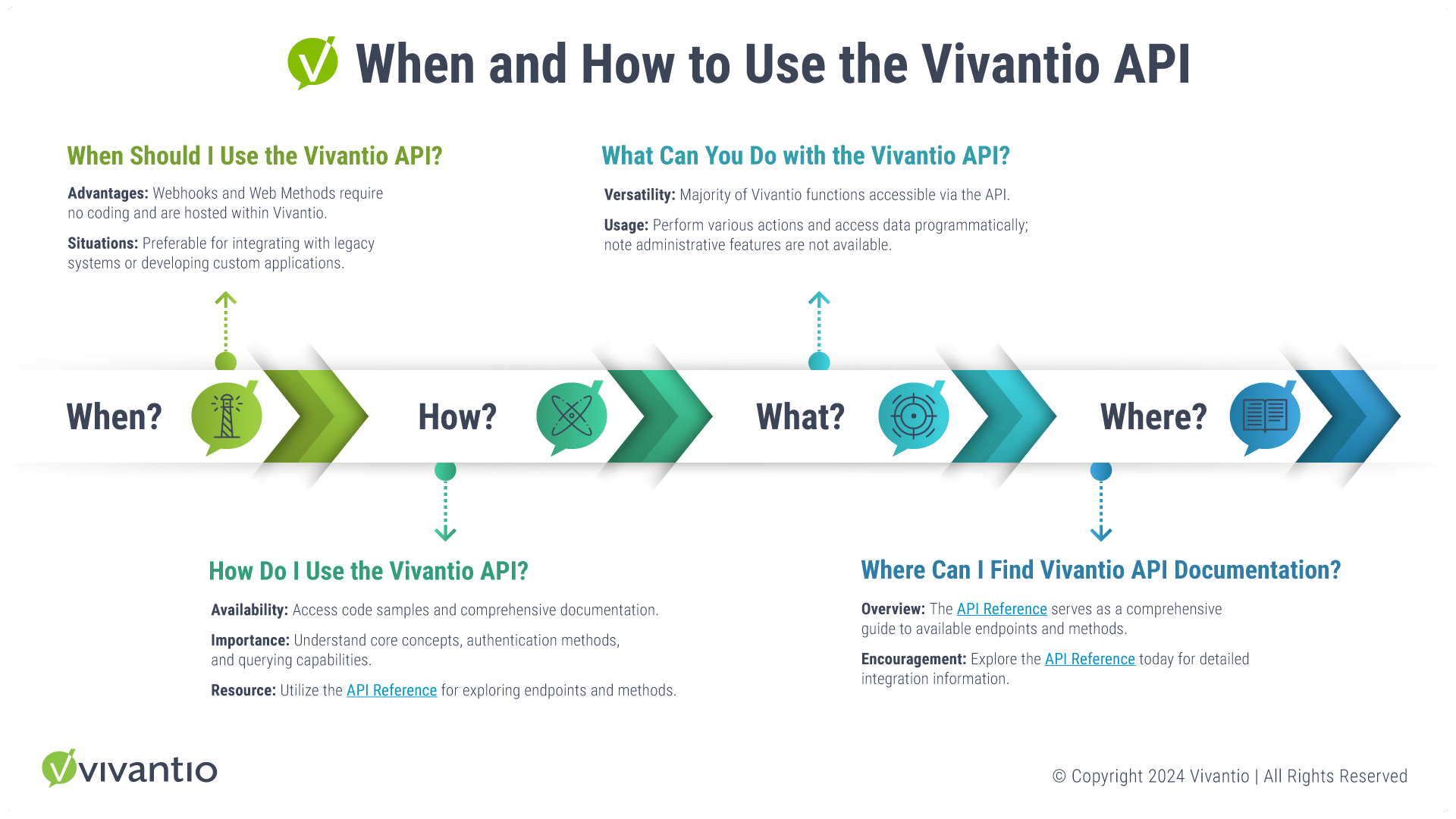

What is API Integration in ITSM and CSM Frameworks?
API Integration: Within the realms of IT Service Management (ITSM) and Customer Service Management (CSM), API integration is the cornerstone of seamless communication between different software applications. It refers to the process of connecting various tools and platforms through their respective APIs, enabling them to exchange data and interact programmatically. APIs act as predefined sets of rules and protocols, facilitating communication between applications and allowing them to access and utilize each other’s functionalities efficiently.
Integration Tools: In both ITSM and CSM frameworks, integration tools play a crucial role in facilitating API integration. These tools provide developers with user-friendly interfaces to configure and manage API connections. By streamlining the integration process, businesses can focus on leveraging the power of APIs without getting entangled in complex technical details.
Seamless Data Sharing: API integration ensures seamless data sharing between applications within ITSM and CSM ecosystems. By automating data exchange, information remains up-to-date across systems without manual intervention. This automated data sharing enhances collaboration, reduces errors, and eliminates the need for duplicate data entry, thereby saving time and effort.
Web Services: Web services are integral components of API integration within ITSM and CSM frameworks. They provide standardized protocols, such as XML (eXtensible Markup Language) and SOAP (Simple Object Access Protocol), for applications to communicate over the internet. By adhering to these protocols, web services facilitate seamless communication between different software applications, also enabling efficient interaction and data exchange.
Benefits of API Integration for Business Efficiency
As shared above, the benefits of API integration for business efficiency are substantial. Let’s delve into these benefits further through the detailed breakdown provided in the following table:
| ### Benefits | ### Description |
|---|---|
| Automation of Processes | API integration within IT Service Management (ITSM) and Customer Service Management (CSM) enables automated processes, eliminating manual tasks and reducing errors. |
| Enhanced Productivity | ITSM and CSM benefit from API integration by facilitating real-time collaboration and efficient data exchange, leading to increased productivity and informed decision-making. |
| Streamlined Processes with Vivantio Integration | Integration tools like Vivantio offer comprehensive solutions for API integration within ITSM and CSM, enabling seamless synchronization of data and automation of workflows. |
| Improved Data Accuracy and Consistency | API integration ensures data accuracy and consistency across ITSM and CSM systems, eliminating manual entry and enabling real-time updates for reliable insights and decision-making. |
| Cost and Time Savings | ITSM and CSM benefit from cost and time savings through API integration, reducing manual labor costs and streamlining workflows, leading to efficiency gains and resource optimization. |
Overall, API integration presents significant advantages for businesses, enabling them to automate processes, boost productivity, and facilitate seamless data sharing within the frameworks of ITSM and CSM. Integration tools, such as Vivantio’s, offer essential functionalities to streamline workflows and optimize the effectiveness of API integration across ITSM and CSM environments.
API Integration Use Cases: Powering Seamless Workflows.
API integration revolutionizes IT Service Management (ITSM) and Customer Service Management (CSM) by seamlessly connecting diverse software platforms. It enables integration of ticketing systems with knowledge bases in ITSM and links customer support platforms with CRM systems in CSM, facilitating smooth data flow and communication between applications. This streamlining of processes reduces manual data entry and enhances operational efficiency within ITSM and CSM frameworks.
| ### Use Case | ### Description |
|---|---|
| Integrating Different Software Platforms | Connect and integrate various software platforms to streamline processes and eliminate manual data entry. |
| Managing Software Components | Efficiently manage software components by integrating them into a cohesive ecosystem for seamless interaction and data sharing. |
| Utilizing Single API Endpoints | Simplify integration by utilizing single API endpoints to connect multiple applications, reducing complexity and ensuring consistent data transfer. |
| Addressing Complexity with Integration Services | Overcome the complexity of integration with specialized expertise and tools offered by integration service providers. |
API integration within ITSM and CSM frameworks empowers organizations to optimize their workflows, boost operational efficiency, and foster expansion in their service management and customer service endeavors.
How API Integration Works and Its Importance
API integration stands as a cornerstone for enabling seamless connectivity and collaboration between diverse software applications. This integration process involves a series of meticulously orchestrated steps aimed at establishing fluid connections and facilitating data exchange between systems within these frameworks. From selecting the most suitable APIs to ensuring robust authentication and error handling mechanisms, each stage plays a pivotal role in enhancing operational efficiency and driving innovation within ITSM and CSM environments:
- API Selection: Organizations must identify and choose the most suitable web API to support their integration requirements. This involves evaluating API functionalities, documentation, and compatibility with existing systems.
- API Documentation: The chosen API’s documentation provides developers with the necessary instructions, guidelines, and examples to effectively integrate the API into their applications. It outlines the API’s endpoints, methods, parameters, and authentication mechanisms.
- Authentication: Authentication ensures that only authorized users or applications can access and interact with the API. Depending on the API, authentication methods may include API keys, OAuth, or token-based authentication.
- Data Exchange: Through the API, applications can exchange data in real-time or in batches. This enables the seamless flow of information, allowing businesses to synchronize data, share resources, and trigger automated actions.
- Error Handling: API integration requires robust error handling mechanisms to handle exceptions, ensure data integrity, and provide useful error messages to help developers troubleshoot and rectify issues.
The significance of API integration in ITSM and CSM cannot be overstated. By meticulously navigating the steps involved in API integration, organizations can unlock a realm of possibilities, from seamless data exchange to automated processes, enabling them to stay agile, competitive, and responsive to evolving business needs. As businesses continue to harness the power of API integration, they pave the way for enhanced collaboration, streamlined workflows, and accelerated growth within their ITSM and CSM operations.
Building an API Integration Strategy for Success.
When it comes to harnessing the power of API integration, a well-thought-out strategy is key. By aligning your software development goals with a modern API integration platform, you can unlock the full potential of your business. Investing in APIs and implementing effective integration strategies can lead to the seamless achievement of API integration, powering your organization forward.
Unlock the power of API integration with Vivantio. Discover how our integration platform can streamline your workflows, enhance productivity, and drive efficiency. Schedule a demo today to explore how Vivantio’s tailored solutions can optimize your business processes and propel your organization forward. Connect with our expert team to learn more about the benefits of API integration and how Vivantio can help you achieve your business goals.
Read more
Browse all resources
Ready to see it?
See Vivantio in action
Step your team up to real service management, without the leap to enterprise. Get a walkthrough tailored to your workflows.