





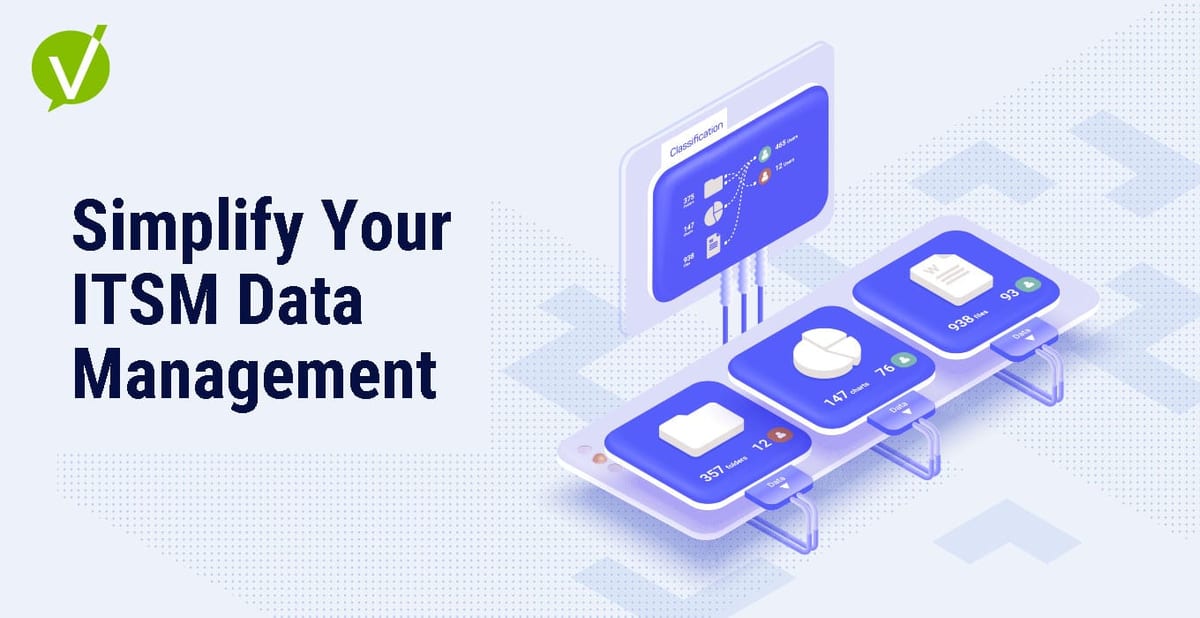
Data Integration Tools: Simplify Your ITSM Data Management
Data integration tools simplify ITSM by enabling seamless data flow and supporting better decision-making with clean, consistent data. Discover how these…

Jump to section
Introduction
Did you know that businesses using data integration tools within IT service management (ITSM) framework can analyze and synchronize service data up to 85% faster? Data integration platforms are essential for managing data from various sources, whether it’s on-premises, cloud-based, or a combination of both. These tools enable seamless data flow across ITSM environments, making it easier to extract, transform, and load data while ensuring data integrity across different systems that are crucial for service management.
By implementing a comprehensive data integration solution in ITSM, you can create efficient data pipelines that automate the ingestion and cleansing of service-related data. This allows you to streamline workflows by transforming raw data into actionable insights for improved service delivery. Whether it’s data from customer interactions, service tickets, or IT infrastructure logs, integration tools ensure consistent data for analysis and strengthen data governance within your ITSM framework, maintaining data integrity and improving overall service quality.
Whether you’re managing large amounts of service data or dealing with complex data integration scenarios, selecting the right tool can be a game-changer for ITSM. The ability to handle wide ranges of data from diverse sources enables service teams to make quicker, more accurate decisions, helping your organization stay competitive and agile in managing service operations.
Discover the benefits of data integration tools in ITSM and how they can revolutionize your service management approach. From automating workflows to ensuring consistent data across your IT systems, investing in the right solution will simplify operations, enhance service delivery, and boost overall performance.
Data integration is key for any ITSM-focused business looking to combine data from different sources into a unified system. It ensures consistent and reliable service data, helping organizations make better decisions, improve service delivery, and strengthen business intelligence. Having a robust data integration tool is essential for handling vast amounts of information efficiently, enabling smoother service management operations.
What is Data Integration?
Data integration is the process of combining data from various places like databases, applications, and even cloud-based platforms, into one unified view. Modern data integration tools and platforms simplify this process by automating the steps involved, ensuring data remains high in quality and integrity. These software solutions handle data extraction, data cleansing, and syncing data from various sources to provide a comprehensive and reliable dataset.
The key challenge in modern data integration is ensuring that data across various systems works well together while maintaining quality. Tools such as ETL (Extract, Transform, Load) and ELT (Extract, Load, Transform) help in automating the data integration process. ETL tools are widely used to extract data, transform it into the required format, and load it into a data warehouse or other destination for further use.
Types of Data Integration
There are several types of data integration, each designed to meet specific needs:
- ETL (Extract, Transform, Load): This method extracts data from different sources, transforms it, and loads it into a database or data warehouse.
- ELT (Extract, Load, Transform): Similar to ETL, but the data is loaded first and transformed later, which is useful for big data environments.
- Data Replication: This method involves copying data from one database to another, often in real-time, ensuring fast and accessible information.
- Data Virtualization: This creates a virtual view of data from various sources, allowing access without the need for physical consolidation.
Importance of Data Integration
Data integration is vital for several reasons. It enables businesses to create a comprehensive data set for analytics and insights, allowing for informed decision-making. By avoiding data silos, it ensures consistent data and improves overall data quality.
Additionally, investing in the right data integration tool offers numerous benefits, including the ability to handle complex data scenarios and automating the data integration process. These tools help businesses integrate data from various sources, enhancing operational efficiency and supporting seamless data flow across platforms.
Selecting a data integration tool that suits your business needs is crucial. When choosing the best solution, consider factors like the ability to handle complex data, the range of integration types offered, and whether the platform supports cloud-based or on-premises data.
Understanding the benefits of data integration will help your business stay competitive and agile in a world that increasingly depends on data-driven insights.
| ### Type of Integration | ### Function | ### Advantages |
|---|---|---|
| ETL (Extract, Transform, Load) | Combines and formats data from various sources. | Standardized data, improved quality. |
| ELT (Extract, Load, Transform) | Loads data first and transforms it in the target storage. | Faster loading times, real-time processing. |
| Data Replication | Copies data between systems in real-time or at scheduled intervals. | High availability, redundancy. |
| Data Virtualization | Provides a unified virtual view of data from multiple sources. | No need for physical data consolidation, flexible access. |
Considering the Top Data Integration Tools for ITSM
In the realm of IT service management (ITSM), effective data integration is critical for ensuring seamless operations and delivering superior service. ITSM platforms often rely on data from multiple sources—whether from customer service databases, IT infrastructure, or other business-critical systems. Choosing the right data integration tools helps service teams consolidate this information, enabling more efficient workflows, faster ticket resolutions, and better decision-making.
Selecting the appropriate data integration solution is essential. The right tool can streamline IT operations, efficiently move data across platforms, and ensure that data is actionable. Below are some of the top data integration solutions and what makes them stand out.
Overview of Best Data Integration Tools for ITSM
Data integration plays a crucial role in improving service delivery by connecting various systems and data sources. Cloud-based data integration tools, including Integration Platform as a Service (iPaaS), simplify the process of extracting, loading, and cleansing data across multiple formats, ensuring seamless operations within IT environments. Below is an overview of some of the top data integration tools that can enhance ITSM workflows.
-
Cloud-Based Data Integration and iPaaS:
Many ITSM platforms rely on cloud-based integration tools, including iPaaS solutions, to manage data from multiple systems efficiently. iPaaS offers scalable, cloud-based integration that automates workflows and data movement across various systems. These platforms ensure that service teams have access to relevant data at the right time, allowing for better decision-making and improved service management operations.
-
Oracle Data Integrator (ODI):
Oracle Data Integrator is known for its robust ETL (Extract, Transform, Load) architecture. Its ability to process many data types while maintaining high data quality makes it an excellent choice for organizations that need to integrate data into their ITSM processes. By automating data flows, ODI supports smoother workflows and enhances service delivery.
-
Azure Data Factory:
Azure Data Factory is a scalable and flexible cloud-based data integration platform that is well-suited for ITSM environments. It simplifies the process of moving and transforming data from various sources, enabling IT service managers to better handle complex tasks and make more informed decisions.
-
SAP Data Services:
SAP Data Services offers a comprehensive solution for both data integration and quality management. It supports a wide range of integration needs, ensuring accurate data extraction, transformation, and loading across various platforms. In an ITSM context, this ensures that service teams can rely on high-quality, cleansed data when resolving service tickets or managing customer queries.
-
Boomi:
Boomi is a cloud-based integration platform known for its ability to handle complex data integration scenarios. For ITSM professionals, Boomi helps automate workflows and connect data across systems, streamlining service management operations. Its ability to unify data from different sources ensures that IT teams have the information they need to resolve issues quickly and efficiently.
How to Choose the Right Data Integration Tool for ITSM
Selecting the right data integration tool is crucial for optimizing data management within IT service management (ITSM). ITSM platforms often depend on integrating data from various sources to ensure smooth service operations and faster problem resolution. Follow these steps to make the best choice for your ITSM environment.
Identify Your Data Integration Needs:
- Determine if your ITSM platform requires real-time updates for faster ticket resolution or if batch processing will suffice for managing service requests.
- Consider the data sources, formats, and types you will need to integrate—such as customer records, infrastructure data, or third-party service logs.
- Defining these needs ensures that the tool you select can handle ITSM data efficiently and maintain seamless service operations.
Evaluate Data Integration Capabilities:
When evaluating tools for ITSM, look for features that enable efficient data management across service teams:
- Data transformation for converting information into useful formats.
- Data lineage to track data sources and transformations across your ITSM workflows.
- Support for multiple data sources and formats to ensure all your systems—whether customer-facing or internal—are covered.
Ensure the tool can:
- Handle large volumes of service-related data, including support tickets, system logs, and service level metrics.
- Move data securely across ITSM platforms and external systems.
- Provide smooth cloud-based integration or on-premise solutions to suit your organization’s IT infrastructure.
Consider Security and Scalability:
Security is paramount in ITSM, as sensitive data flows between systems. Choose a data integration tool that maintains robust security measures while supporting a wide range of data integration types. Also, ensure the tool is scalable to accommodate the growing demands of your ITSM platform, whether you’re loading data into a warehouse or integrating with new applications as your service management needs evolve.
By following these guidelines, you can select the best data integration tool to streamline your ITSM operations, improve data quality, and enhance overall service delivery.
Consider Data Security and Governance
Data safety and rules are very important. The tool should protect your data well. Look for strong encryption, access controls, and follow industry standards. It should also track data changes and audit activities. These features help keep your data safe and in order.
| ### Criteria | ### Importance | ### Key Features |
|---|---|---|
| Integration Needs | High | Real-time synchronization, Batch processing |
| Data Integration Capabilities | High | Data transformation, Data lineage, Multi-source support |
| Data Security and Governance | Critical | Encryption, Access controls, Compliance, Data lineage tracking |

Benefits of Using Data Integration Tools
Using data integration tools brings many advantages. One key benefit is better data quality management. These tools automate data handling, cutting down on errors from manual entry. This makes your data more reliable and consistent.
These tools also make integrating applications easier. They let different software systems talk to each other smoothly. This makes your business operations run smoothly and connected. It helps you manage data better, giving you a complete view of information from all sources.
Data integration also helps in making better decisions. With accurate and complete data, you can make choices that move your business forward. Plus, the efficiency in data handling saves you money in the long run.
| ### Benefit | ### Description |
|---|---|
| Data Quality Management | Automation reduces manual data errors and ensures data consistency. |
| Application Integration | Enables seamless communication between different software systems. |
| Enhanced Data Platform | Provides a consolidated overview of information from various data sources. |
| Informed Decision-Making | Accurate data supports strategic and effective business choices. |
| Operational Efficiency | Streamlined data processes lead to significant time and cost savings. |
Future Trends in Data Integration Tools for ITSM
The world of data integration is evolving rapidly, and in IT service management (ITSM) the ability to manage and integrate data efficiently is key to providing superior service. As companies increasingly recognize data as a critical asset, ITSM platforms must adopt robust data integration tools to handle the complexity of service-related data and deliver real-time insights that enhance service delivery.
Real-time data integration is especially important in ITSM, as it allows service teams to quickly access and act on critical data, improving response times and decision-making. Businesses are now turning to cloud-based platforms, such as Integration Platform as a Service (iPaaS), for their scalability and efficiency. These tools are highly versatile, enabling IT service managers and data engineers to streamline data management across multiple sources, ensuring a smooth flow of information between systems.
As automation and artificial intelligence continue to advance, the future of ITSM will see even more intelligent data integration tools. These tools will enable IT teams to process larger volumes of service-related data with greater accuracy, leading to better data-driven decisions that ultimately improve customer satisfaction and operational efficiency.
Staying updated on these emerging trends is essential for organizations looking to optimize their ITSM platforms and succeed in data management.
Ready to Maximize the Power of Data Integration Tools for ITSM?
Curious about how the latest data integration tools can transform your IT service management?
Contact us today to explore how implementing a data integration solution can streamline your ITSM operations and unlock the full potential of your service data.
Schedule a Free Consultation:
Let’s discuss your organization’s IT service management needs and explore how modern data integration tools can enhance your service delivery processes.
Request a Personalized Demo:
See firsthand how advanced data integration tools can benefit your ITSM platform by offering:
- Real-Time Data Integration: Enable faster response times and better decision-making within your service operations.
- Cloud-Based Solutions: Leverage scalable platforms like iPaaS to integrate service data efficiently across multiple systems.
- Automation and Intelligence: Process more service-related data with intelligent tools that streamline workflows and improve service quality.
Don’t wait—embrace the future of ITSM data integration and take your service management to the next level with cutting-edge tools that drive efficiency and customer satisfaction.
Read more
Browse all resources
Ready to see it?
See Vivantio in action
Step your team up to real service management, without the leap to enterprise. Get a walkthrough tailored to your workflows.