






What is an ISV Partner: The Power of Strategic Relationships
ISV partnerships are a game-changer for SaaS companies, enabling seamless API integration, automation, and improved workflow efficiency. By leveraging…

Jump to section
Introduction
Strategic partnerships with industry leaders like Salesforce and Microsoft can be a game-changer for companies in the SaaS and Customer Service Management sectors. These alliances provide seamless integration with widely adopted platforms, improving efficiency and enhancing the customer experience. By tapping into these ecosystems, businesses can reach new audiences, optimize workflows, and maintain a competitive edge.
For independent software vendors (ISVs), collaborating with established platforms unlocks access to broader markets and accelerates innovation. By integrating with industry-leading technologies, ISVs can enhance their product offerings, build credibility, and create more value for customers. These partnerships help ISVs scale efficiently, providing essential resources and visibility to drive long-term success.
Aligning with a major platform not only broadens market opportunities but also strengthens the capabilities of an ISV’s solution. Leveraging the expertise, infrastructure, and reputation of a well-known brand makes it easier to deliver robust, fully integrated solutions that meet customer demands. As competition intensifies, strategic partnerships have become essential for SaaS companies and ISVs looking to expand their reach and maximize their impact.
Understanding ISV Partnerships and Their Role in the Software Ecosystem
1. What Is an ISV Partner?
In the SaaS and Customer Service Management sectors, Independent Software Vendors (ISVs) often engage in two primary types of partnerships to enhance their offerings and market reach:
- Partner Programs: ISVs collaborate with established platforms to increase visibility and ensure seamless integration.
Example: Vivantio’s partner program allows ISVs to integrate their applications, enhancing customer service capabilities and expanding their user base. - Operating System Partnerships: ISVs develop software that operates smoothly within specific operating systems, ensuring optimal performance and user experience.
Example: ISVs partnering with Red Hat focus on creating software-defined storage solutions that are interoperable, agile, and secure, catering to various enterprise needs.
By engaging in these partnerships, ISVs can leverage the strengths of established platforms and operating systems to deliver enhanced solutions to their customers.
2. Core Functions of ISVs
Independent Software Vendors (ISVs) are companies that develop and sell software solutions independently of hardware manufacturers or platform providers. While their core activities—such as creating innovative software, ensuring its performance through rigorous testing, and providing customer support—may resemble those of other software providers, ISVs distinguish themselves in several key ways:
- Platform Independence: ISVs design software that operates across multiple hardware platforms and operating systems, offering flexibility and broad applicability to their clients.
- Market Focus: They often target niche or specialized markets, delivering tailored solutions that address specific industry needs, which larger software companies might overlook.
- Ownership and Licensing: ISVs retain ownership of their software products and typically license them to end-users, maintaining control over development and distribution.
- Collaborative Partnerships: ISVs frequently collaborate with hardware manufacturers, platform providers, or other software companies to enhance their offerings, expand market reach, and integrate with existing technologies.
3. Key Differences Between ISVs and Other Software Providers
In contrast, non-ISV software providers might develop software tied to their own hardware, focus on broader markets without specialized solutions, or create custom software tailored for individual clients. ISVs’ independence and specialized focus enable them to offer unique, versatile solutions that cater to diverse client needs across various industries.
- Industry-Specific Solutions – ISVs often create highly specialized software tailored to niche markets.
- Customization & Integration – Unlike larger software providers that focus on broad applications, ISVs offer customizable solutions with deep integrations.
- Flexibility in Platform Compatibility – ISVs are not tied to a single operating system or ecosystem, allowing for greater adaptability.
4. The Role of ISVs in the Software Ecosystem
ISVs are essential players in the tech industry because they:
- Filling Market Gaps: ISVs often identify and address specific needs that larger companies may overlook. For instance, an ISV might develop a specialized supply chain management tool tailored for the agricultural sector, addressing unique challenges faced by farmers and distributors.
- Leveraging APIs and Integrations: By utilizing Application Programming Interfaces (APIs) integrations, ISVs enable their software to communicate seamlessly with other platforms, enhancing user experience. A notable example is an ISV integrating its customer relationship management (CRM) software with popular email platforms, allowing users to manage communications more efficiently.
- Driving Innovation through Collaboration: Collaborations between ISVs and larger platforms can lead to innovative solutions. For example, an ISV partnering with a major cloud provider might develop an AI-driven analytics tool that offers businesses deeper insights into their operations.
- Expanding Software Capabilities via Partnerships: Through strategic partnerships, ISVs can enhance their product offerings. An ISV might collaborate with a leading cybersecurity firm to integrate advanced security features into its applications, providing users with a more robust and secure solution.
By continuously adapting to market demands and technological advancements, ISVs contribute to a more dynamic and competitive software landscape.

The Evolution and Benefits of ISV Partnerships in Modern Business
ISVs have evolved from providing niche solutions to becoming essential partners in digital ecosystems. Historically, ISVs developed standalone applications tailored to specific business needs. However, with the rise of cloud computing and the Software as a Service (SaaS) model, the landscape has shifted dramatically. Now, ISVs actively collaborate with major platforms to integrate their specialized applications into broader service offerings. These partnerships not only enhance the capabilities of larger platforms but also provide ISVs with access to a wider customer base, allowing them to scale their solutions more effectively.
This shift has made ISV partnerships a driving force in software innovation, enabling businesses to meet the growing demand for seamless, integrated experiences. Companies that strategically align with ISVs can leverage these collaborations to create more comprehensive solutions while enhancing user satisfaction. The advantages of these partnerships extend beyond just technology—there are clear business benefits as well.
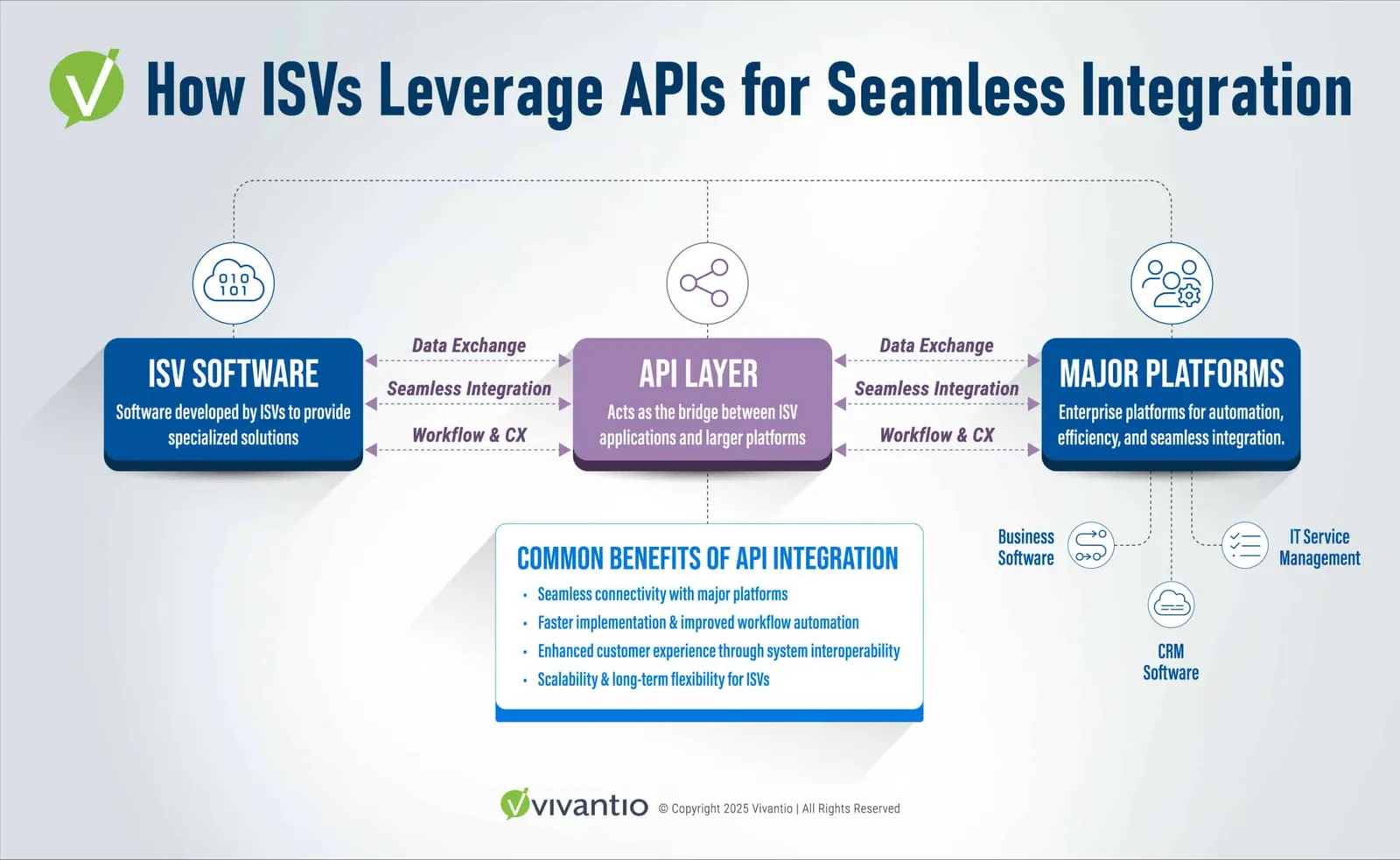
Key Benefits of ISV Partnerships
- Improved Customer Experience: Seamless integrations create a smoother user journey, reducing friction and enhancing satisfaction. Customers can work across multiple platforms without disruptions, leading to higher adoption and retention rates.
- New Revenue Streams: Joint marketing efforts, co-branded solutions, and bundled offerings open up fresh monetization opportunities for both ISVs and their platform partners.
- Enhanced Competitiveness: ISVs that align with larger platforms can accelerate innovation, keep up with industry trends, and offer cutting-edge solutions that help them stand out in a crowded marketplace.
As SaaS and cloud adoption continue to shape the industry, ISV partnerships have become essential for driving growth, expanding market reach, and fostering innovation. Businesses that strategically develop and optimize these collaborations can gain a competitive edge, improve customer experiences, and unlock new revenue streams. Whether an ISV aims to integrate with major platforms like Microsoft or Salesforce or enhance its technical capabilities, the right partnership model can open up significant opportunities.
To build a successful ISV partnership, companies should consider key factors such as revenue-sharing structures, technical integration requirements, and ongoing support and maintenance. Choosing the right model—whether a co-development approach with equal resource sharing or a reseller model with a structured revenue split—ensures alignment with business objectives and maximizes the value of collaboration. Below are common partnership models and how they operate:
Partnership Models and Key Components
| #### Partnership Model | #### Revenue Sharing | #### Technical Integration | #### Support and Maintenance |
|---|---|---|---|
| Co-development | 50/50 split | Joint integration | Shared support |
| Reseller | 30/70 split | Independent integration | Vendor-provided support |
By selecting the most effective partnership model, ISVs can strengthen their position in the market, leverage the expertise of larger platforms, and accelerate business growth.
Popular Integration Platforms for ISVs
Like we’ve shared above, ISVs rely on integrations with major platforms to streamline service management, boost operational efficiency, and deliver a more cohesive user experience. By connecting with widely adopted software solutions, ISVs can automate workflows, enhance data sharing, and provide customers with seamless, end-to-end functionality.
By integrating with widely adopted software solutions, ISVs can expand their reach, deliver more value to customers, and stay competitive in the SaaS and IT service industries.
1. Customer Relationship Management (CRM) Systems
- Salesforce – Integration provides service teams with real-time customer insights, improving support efficiency and user engagement.
- HubSpot – Connects marketing, sales, and service data to create a unified customer experience.
- Microsoft Dynamics – Ensures synchronized customer data for better relationship management and service delivery.
2. IT Asset Management
- Microsoft Intune – Offers real-time views into IT assets, streamlining device management and security enforcement.
- Ninja RMM – Enables remote monitoring and proactive IT service management.
- JAMF – Provides comprehensive Apple device management for enterprise IT environments.
3. Monitoring and Performance Tools
- Azure Monitor – Allows for proactive monitoring of applications and services, ensuring reliability and rapid response to issues.
- DataDog – Delivers real-time performance insights for IT infrastructure and application monitoring.
- Loggly – Simplifies log management and analytics for troubleshooting and system optimization.
4. Development and Collaboration Tools
- JIRA – Connects support and development teams for streamlined issue tracking and resolution.
- Azure DevOps – Facilitates collaborative development workflows and software deployment management.
By integrating with these platforms, ISVs can create more robust solutions, improve automation, and enhance cross-platform functionality. Participation in ISV programs offered by these major platforms also provides additional benefits such as access to extensive customer bases, technical support, and marketing resources. These integrations and partnerships empower software companies to expand their market reach and drive long-term business success.
Unlocking Growth Through the Right ISV Partnerships
By now, we’ve hopefully convinced you that developing the right ISV partnerships is one of the most effective ways for software companies to expand, innovate, and build stronger customer relationships but not all ISV partnerships are created equal. The most valuable collaborations come from working with partners that offer:
- A flexible and scalable integration framework – Ensuring seamless, low-friction connectivity across multiple platforms.
- Proven expertise in service management and workflow automation – Providing tools and solutions that improve efficiency and elevate customer experiences.
- Dedicated partner support and a customer-first approach – Offering hands-on guidance, training, and technical resources to help you succeed.
- A commitment to innovation and continuous improvement – Staying ahead of industry trends and evolving alongside your business.
Building Strong ISV Relationships for Sustainable Growth
A successful ISV partnership goes beyond just integration—it requires strategic alignment, clear communication, and ongoing collaboration. To build a solid foundation, businesses should:
- Evaluate potential partners carefully – Assess their reputation, market presence, and long-term viability.
- Follow best practices for integration – Define roles, establish communication protocols, and create a structured implementation plan.
- Implement effective risk management strategies – Identify potential challenges early, develop contingency plans, and maintain flexibility to adapt to changes.
Transform Your Software Business Through Smart Alliances
By choosing the right ISV partnerships, software companies can accelerate growth, enhance product offerings, and stay ahead of industry shifts. Partnering with the right technology provider ensures access to cutting-edge innovations, seamless integrations, and the strategic support needed to scale.
With the right approach, ISV partnerships become a catalyst for transformation—expanding your reach, strengthening customer relationships, and positioning your company as an industry leader. Now is the time to explore these opportunities and take your business to the next level.
Taking the Next Step Toward Strategic ISV Partnerships
Understanding what an ISV partnership is and how it can drive your business forward is key to unlocking new growth opportunities, expanding market reach, and enhancing your software’s capabilities. By integrating with established platforms and leveraging advanced technical resources, ISVs can streamline operations and deliver greater value to customers.
At Vivantio, we check all the boxes for a successful ISV partnership—offering seamless integrations, a flexible and scalable platform, and the technical resources needed to optimize your IT service management. Our robust API capabilities, automation tools, and customer-first approach make us the ideal partner for ISVs looking to enhance their service offerings and drive long-term success.
If you’re ready to explore the benefits of an ISV partnership and how Vivantio can help transform your software business, take the next step:
Schedule a Free Consultation
Learn how partnering with Vivantio can expand your customer base, improve integration capabilities, and accelerate business growth.
Request a Demo
See firsthand how Vivantio’s powerful platform can enhance your software’s functionality, streamline workflows, and create new revenue opportunities.
A well-structured ISV partnership is a game-changer for software companies looking to scale efficiently. Start exploring how Vivantio can be the right ISV partner for your business today!
FAQs: Expanding Your Understanding of ISV Partnerships
Q: How does an ISV determine which partnership model (co-development, reseller, etc.) is best for their business?
Selecting the right partnership model depends on:
- Business Objectives: Determine whether the goal is market expansion, product enhancement, or accessing new technologies. A co-development partnership suits innovation, while a reseller partnership focuses on sales reach.
- Resource Availability: Assess internal technical expertise and sales infrastructure.
- Target Market: Consider industries and customer segments. Value-added reseller (VAR) models work well in niche markets requiring tailored solutions.
- Control and Branding: Evaluate the level of control over branding and product ownership. OEM partnerships might lead to broader distribution but less brand visibility.
A study by Flagship Advisory Partners suggests that selecting a vertical or horizontal market focus is a critical ISV strategy decision.
Q: What are the potential risks or downsides of ISV partnerships?
A:
While beneficial, ISV partnerships can pose challenges such as:
-
Misaligned Goals: Differing strategic objectives can create conflicts.
-
Loss of Control: Partners may influence decision-making and branding.
-
Resource Drain: Managing a partnership can be resource-intensive.
-
Intellectual Property Concerns: Clear agreements are necessary to avoid disputes.
-
Reputation Risk: A partner’s negative publicity may affect your brand.
Addressing these risks proactively in partnership agreements can help ensure successful collaborations.
Q: How do ISVs negotiate partnership agreements with major platforms like Microsoft or Salesforce?
A:
Successful ISV partnership negotiations involve:
-
Understanding Partner Programs: Familiarize yourself with tiered requirements.
-
Demonstrating Value: Showcase how your solution complements the platform.
-
Preparing for Due Diligence: Be ready with financials, customer data, and product details.
-
Negotiating Terms: Focus on revenue-sharing, support responsibilities, and co-marketing.
-
Legal Review: Clarify intellectual property, data security, and exclusivity terms.
Engaging legal experts and industry advisors can ensure smooth negotiations.
Q: What are the key technical requirements ISVs should meet before integrating with major platforms?
A:
Before integration, ISVs should ensure:
-
API Compatibility: Verify seamless interaction with the platform’s APIs.
-
Security Compliance: Adhere to security standards and protocols.
-
Scalability: Ensure the solution handles increased loads efficiently.
-
Data Privacy: Meet compliance standards like GDPR or HIPAA.
-
Documentation: Provide clear integration guides for customers and partners.
Meeting these technical requirements is essential for a successful partnership. Meyer Law
Q: What are some real-world examples of successful ISV partnerships and their impact?
A: These examples highlight how ISV partnerships can drive innovation and growth.
-
Adobe & Microsoft: Integrated Adobe’s marketing cloud with Azure. vaultproducts.com
-
Spotify & Uber: Enabled passengers to control in-ride music. adweek.com
-
Slack & Salesforce: Streamlined collaboration within Salesforce’s ecosystem. siliconangle.com
Q: How can an ISV measure the success of a partnership?
A:
Key metrics include:
- Revenue Growth: Track new sales generated through the partnership.
- Market Penetration: Measure access to new customer segments.
- Product Enhancement: Evaluate new features or improvements enabled by the partnership.
- Customer Satisfaction: Monitor retention rates and feedback.
- Operational Efficiency: Assess cost reductions and process improvements.
Q: How does an ISV attract large platforms for partnership opportunities?
A: To appeal to major platforms, ISVs should:
- Innovate: Develop unique solutions that complement the platform’s offerings.
- Build a Strong User Base: Demonstrate a loyal and growing customer community.
- Showcase Success Stories: Provide case studies highlighting the value of your solution.
- Engage in Networking: Participate in industry events and forums to increase visibility.
- Align with Platform Goals: Ensure your objectives resonate with the platform’s strategic direction.
In summary, ISVs can attract major technology platforms by demonstrating value through proven use cases, customer success stories, and thought leadership. Participating in partnership programs like Microsoft Partner Network or Salesforce AppExchange provides structured entry points, while proactive outreach with clear integration plans and strong value propositions strengthens engagement opportunities.
Q: Are there specific industries where ISV partnerships are more common or beneficial?
A:
Yes, key industries benefiting from ISV partnerships include:
- Healthcare & Life Sciences: EHR integrations (e.g., Epic & Azure).
- Finance & Insurance: Fraud detection and risk management solutions.
- Manufacturing & Supply Chain: ERP integrations for logistics optimization.
- Retail & eCommerce: Omnichannel shopping experience enhancements.
- Cybersecurity & IT Services: Cloud security partnerships (e.g., CrowdStrike & AWS).
Q: What’s the typical timeline for an ISV partnership to start delivering ROI?
A: ROI varies based on integration complexity:
- 0-6 Months: Quick API integrations start generating value.
- 6-18 Months: Co-marketing and sales strategies begin yielding results.
- 18+ Months: Deep technical integrations and compliance approvals complete.
Research suggests that a significant percentage of strategic partnerships fail due to misaligned expectations, unclear communication, and lack of well-defined goals. Setting clear milestones and maintaining alignment between partners can significantly improve success rates. (Enlighta Blog & Mike L. Mangold)
Q: What are common mistakes ISVs make when forming strategic partnerships?
A:
Avoiding common pitfalls can significantly improve the success of ISV partnerships. Missteps like unclear goals, underestimating technical challenges, and neglecting marketing efforts can hinder growth and collaboration. Here are some key areas to watch out for:
- Lack of Clear Goals: Set measurable KPIs upfront.
- Underestimating Integration Complexity: Conduct a feasibility study before committing.
- Ignoring Legal & Compliance Issues: Ensure clear terms for data security and IP ownership.
- Failing to Invest in Marketing: Support joint marketing efforts.
- Choosing the Wrong Partner: Vet potential partners thoroughly.
Read more
Browse all resources

Ready to see it?
See Vivantio in action
Step your team up to real service management, without the leap to enterprise. Get a walkthrough tailored to your workflows.